
 Deadly gold mine collapse in West Pokot have once again exposed the dangerous conditions facing thousands of artisanal miners across Kenya, with growing concerns over weak safety enforcement and illegal mining operations.
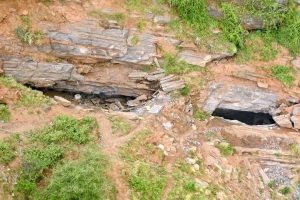
Speaking in West Pokot on May 11, Interior Cabinet Secretary Kipchumba Murkomen said the government would introduce stricter safety measures in mining areas following the Rumos Hills tragedy that killed 15 people, among them 12 women.
Murkomen, who visited grieving families in Kacheliba constituency, said many locals depend on small-scale mining to survive and called for safer operations rather than crackdowns on miners.
We know these mining activities are part of efforts to earn income for families, and what we should ensure is safety and maximum benefit for everyone involved, he said.
The CS announced plans to help artisanal miners form organised groups and SACCOs to improve earnings and reduce exploitation. He also pledged government support for affected families, including medical cover for survivors, burial expenses and humanitarian aid.
The May 8 collapse at Rumos Hills renewed scrutiny over Kenyas poorly regulated gold mining sector, where unsafe shafts, weak oversight and competition over mining licences continue to put lives at risk.
West Pokot Governor Simon Kachapin said he had warned about dangerous and illegal mining activities in the county days before the disaster. He accused powerful investors linked to senior officials of taking control of mining sites while pushing local artisanal miners aside.
Murkomen said similar government assistance would also be extended to families affected by another recent mine collapse in Ogago Village, Siaya County, as authorities urged miners nationwide to follow safety regulations to prevent further tragedies.
STORY BY EMMANUEL KIRUI