

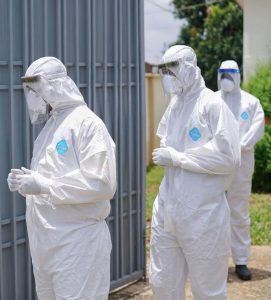
Health Workers Gear Up For Ebola
Kenya’s public health system is facing renewed scrutiny following the confirmation of nine cases of Bundibugyo Ebola virus disease, including one death, as health authorities intensify efforts to prevent further transmission.
According to a report by the Associated Press published on October 20, 2026, all nine confirmed cases were linked to the initial patient, a Kenyan man who travelled from the Democratic Republic of Congo through Uganda before arriving in Nairobi. The first patient died on October 5, raising concerns about the country’s ability to detect and contain emerging infectious diseases.
The Ministry of Health has intensified contact tracing, quarantine measures and disease surveillance as part of efforts to contain the virus. By October 20, authorities had identified 135 contacts, with 134 placed in quarantine. The government reported no evidence of transmission beyond the known contacts at that time.
HEALTH AUTHORITIES STEP UP SURVEILLANCE
The World Health Organization (WHO) has been supporting Kenya’s response through technical assistance, laboratory testing, surveillance and the provision of essential medical supplies.
In a statement published on October 16, WHO said the second and third confirmed patients had been identified while already in quarantine, demonstrating the importance of monitoring people who have been exposed to the virus. The organisation also confirmed that health teams were conducting daily checks throughout the 21-day monitoring period.
Kenya had also trained nearly 5,000 health workers in Ebola recognition, prevention and patient care by mid-October, with support from WHO. The preparations are intended to improve early detection and protect frontline medical personnel.
However, the developing situation raises questions about the readiness of healthcare facilities, particularly in counties that may require additional testing capacity, protective equipment and rapid-response teams.
PUBLIC AWARENESS REMAINS CRUCIAL
Health experts have emphasised the importance of public awareness in preventing the spread of Ebola. The virus is transmitted through direct contact with the blood or other bodily fluids of an infected person, or through contaminated objects. It does not spread through the air like influenza or measles.
Members of the public are encouraged to seek medical advice promptly if they develop concerning symptoms after a possible exposure and to follow guidance issued by health authorities.
The government and health agencies also face the challenge of countering misinformation that could cause unnecessary panic. Accurate communication is essential to ensure that communities understand the risks without discriminating against people who have been quarantined or have recovered from illness.
The first group of monitored contacts was expected to complete its 21-day quarantine period on October 25, subject to remaining symptom-free and following public health guidance. Authorities urged communities to welcome eligible individuals back without stigma.
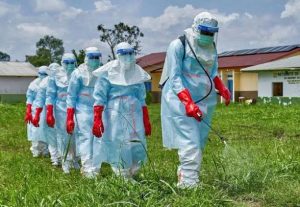
A TEST OF KENYA’S HEALTHCARE SYSTEM
Beyond the immediate response, the situation highlights the need for sustained investment in public health infrastructure. Well-equipped laboratories, adequate protective equipment, trained personnel and effective communication between national and county governments are essential in responding to infectious disease threats.
Kenya’s position as a regional transport and travel hub also makes cross-border cooperation important. Information sharing and surveillance at points of entry can help identify suspected cases early and limit the risk of further transmission.
While the reported cases remained linked to the initial patient as of October 20, health authorities must continue monitoring contacts and responding quickly to any new infections.
Kenya’s response to the Ebola cases will test its ability to combine effective disease surveillance, reliable public communication and adequate protection for healthcare workers.
The immediate priority remains containing the infections and protecting exposed individuals and the wider public. In the long term, strengthening healthcare facilities and building public trust will be essential in ensuring that the country is better prepared for future health emergencies.
For Kenyans, vigilance, accurate information and cooperation with health officials remain critical as the country continues to monitor the evolving situation.
By Nathan Mburu