
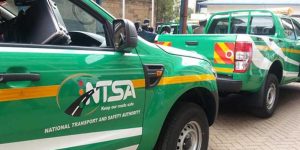
NTSA Clarifies Vehicle Inspections
The National Transport and Safety Authority (NTSA) has moved to clarify concerns surrounding the government’s planned introduction of mandatory annual inspections for private motor vehicles.
Under the new regulations, private vehicles that are more than four years old will be required to undergo annual inspections beginning July 1. Vehicle owners will pay Ksh.2,000 per inspection, consisting of a Ksh.1,000 booking fee and a Ksh.1,000 inspection fee. Motorcycles will also be subjected to mandatory inspections and corresponding charges.
The clarification comes amid growing public concern and criticism over the policy, with many motorists questioning the timing and implementation of the regulations. NTSA stated that inspection requirements and charges will vary depending on the category of the vehicle and urged the public to disregard misleading information circulating on social media.
The authority further assured motorists that traffic police officers will not enforce the inspection requirement during routine road checks. Additionally, operators of school transport vehicles and commercial service vehicles will not face penalties for failing to comply immediately.
In a statement, NTSA said that details regarding the implementation and enforcement of the regulations will be communicated to the public in due course.
The inspection requirements will also apply to locally assembled vehicles, vehicles involved in road accidents, and those that have undergone structural or mechanical modifications.
According to NTSA, Kenya currently has more than six million registered vehicles. Based on the proposed charges, the government could collect at least Ksh.12 billion annually if all eligible vehicles comply with the inspection requirements and pay the prescribed fees.
NTSA Director General Nashon Kondiwa stated that annual vehicle inspections are already provided for under existing laws. However, he acknowledged that the 12-month inspection interval may not adequately address vehicles that spend most of their time on the road and may require more frequent assessments.
Kondiwa also revealed that the authority is working on operationalising private vehicle inspection centres across the country to increase inspection capacity and improve service delivery.
The policy has attracted criticism from political leaders, including Jubilee Deputy Party Leader Fred Matiang’i and Democracy for the Citizens Party (DCP) leader Rigathi Gachagua. The leaders argue that the policy places an additional financial burden on Kenyans already struggling with high fuel prices, increased insurance premiums, multiple taxes, and the rising cost of living.
Matiang’i has called for the suspension of the implementation of the inspection policy until it undergoes thorough public scrutiny. He said several concerns remain unanswered, including the number of vehicles expected to be affected, the amount of revenue the government intends to collect annually, and whether the inspections will significantly reduce road accidents.
He also questioned whether NTSA currently has sufficient capacity to inspect millions of vehicles without causing delays and inconveniences to motorists.
“What safeguards have been put in place to ensure that this programme does not become another avenue for rent-seeking and harassment of motorists?” Matiang’i asked in a statement issued on Sunday.
As public debate continues, many Kenyans are now awaiting further communication from NTSA regarding the implementation timeline, enforcement measures, and the practical impact of the new inspection requirements.
By Joel Esabu