
By Joel Esabu
September 30, 2026
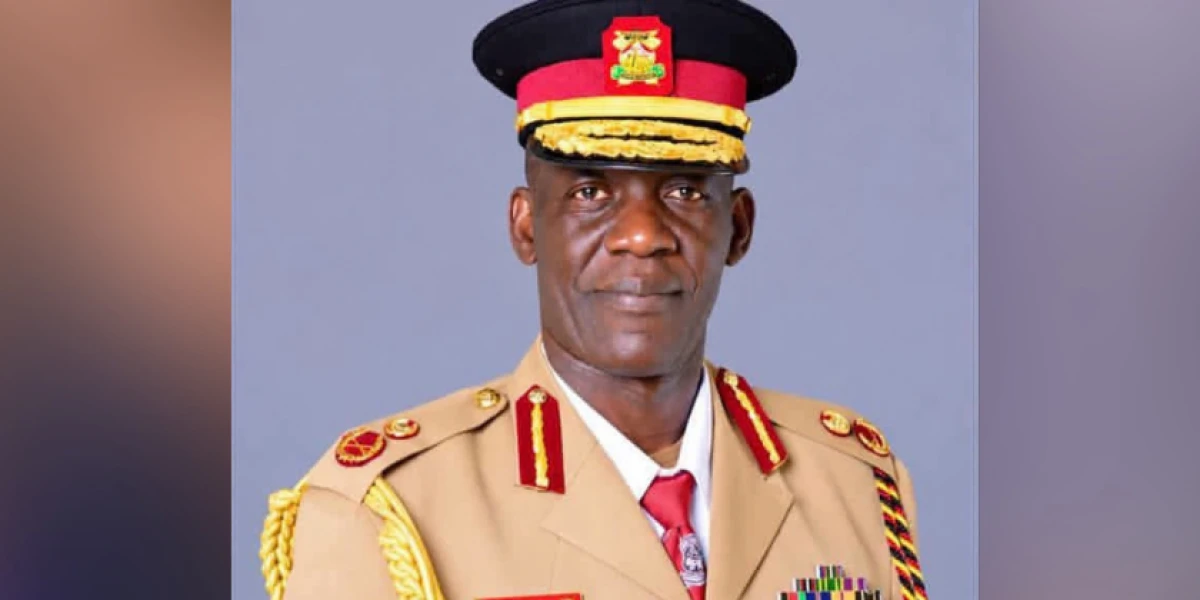
Kenya is mourning Senior Assistant Inspector General of Police (SAIG) Lazarus Opicho, a senior security commander whose career was defined by protecting public institutions, judicial officers, government buildings and persons under state protection.
A life of service, duty and leadership.
Opicho, who served as Commandant of the Security of Government Buildings and VIP Protection Unit under the Administration Police Service, died after an illness. His death has drawn tributes from the Judiciary, the National Police Service, political leaders and Kenyans who recognised his contribution to the country’s security system.
A Career Defined by Public Service
SAIG Opicho rose through the ranks of Kenya’s policing and security administration, serving in positions that required discretion, discipline and public trust.
His early service included an assignment at the Ministry of Foreign Affairs, where he worked as a Police Superintendent responsible for security and investigations. The role placed him in a sensitive environment involving official state functions and diplomatic affairs.
Over time, Opicho’s career became closely associated with institutional security. He was entrusted with assignments that went beyond routine policing, including the protection of key government offices, senior public officials and facilities critical to the functioning of the state.
His leadership style and experience later saw him take up one of the most important assignments in Kenya’s modern Judiciary security structure.
Pioneer of the Judiciary Police Unit
A major chapter of Opicho’s legacy was his role in the establishment of the Judiciary Police Unit.
In 2021, he was selected to lead the formation of the specialised unit and became its first commandant. The unit was created to coordinate security for judges, judicial officers, court staff, court users and Judiciary premises across the country.
The formation of the unit marked an important step in strengthening the safety of Kenya’s courts. Courts require a secure environment not only for judicial officers and staff, but also for witnesses, accused persons, advocates and ordinary Kenyans seeking justice.
As pioneer commandant, Opicho helped lay the groundwork for a structured security system within the Judiciary. His work included coordination of security arrangements for judges and court stations, while supporting the wider goal of ensuring that court operations could continue safely and independently.
Chief Justice Martha Koome was among the leaders who recognised his role in building the Judiciary’s security capacity. Her condolence message described his contribution as significant in establishing the framework that improved protection for Judiciary personnel, court users and court facilities.
Leading VIP and Government Security
In August 2024, Opicho was appointed Commandant of the Security of Government Buildings and VIP Protection Unit, following changes within the Administration Police Service command structure.
The unit is tasked with protecting strategic government buildings and providing security to senior government officials, VIPs, judicial officers and other persons assigned police protection. It is a demanding role requiring constant planning, professional coordination and the management of officers deployed in sensitive locations.
Under his leadership, the unit remained central to the day-to-day protection of government institutions and protected persons. Its officers are deployed in settings that are often out of public view, but their work is essential to maintaining continuity, order and security in public life.
In 2025, Opicho was promoted from Assistant Inspector General to Senior Assistant Inspector General of Police while continuing to serve in the leadership of the unit. The promotion reflected his senior standing and the level of responsibility entrusted to him within the national security structure.
A Life of Quiet Leadership
Colleagues and institutions that mourned Opicho described him as a committed public servant. His work largely took place away from public attention, but its impact was felt in places where security is indispensable: courtrooms, government offices, official functions and the homes or workplaces of protected persons.
His career reflected the work of many security officers whose contribution is rarely measured in headlines. Their success is often seen in the absence of disruption, in the orderly running of public institutions and in the ability of officials and citizens to carry out their duties safely.
For Opicho, that work involved both building new systems and leading established units. He served at the intersection of the Judiciary and national security, two areas that are fundamental to Kenya’s constitutional and public administration framework.
Nation Mourns
SAIG Lazarus Opicho died on the night of September 28, 2026, while receiving treatment at Aga Khan University Hospital in Nairobi, according to reports.
The news was received with shock by the Judiciary, police officers and the wider public. Tributes highlighted his role in strengthening Judiciary security and his leadership in the Security of Government Buildings and VIP Protection Unit.
His death has left a gap within Kenya’s security leadership, particularly among officers and institutions that worked with him during the establishment of the Judiciary Police Unit and his later command of VIP protection operations.
His Lasting Legacy
SAIG Lazarus Opicho leaves behind a legacy rooted in service, institutional development and security leadership.
His contribution to the Judiciary Police Unit will remain an important part of that legacy. By helping establish a specialised approach to court security, he contributed to the safety of judicial officers, staff and citizens using courts across the country.
His leadership of the Security of Government Buildings and VIP Protection Unit also placed him at the centre of safeguarding government facilities and persons entrusted to state protection.
As Kenya remembers him, SAIG Opicho’s story stands as a reminder that public institutions depend not only on visible leaders, but also on dedicated professionals who build the systems that protect them.
Rest in peace, SAIG Lazarus Opicho.